
Galling happens because stainless steel's protective oxide layer wears away under friction, exposing bare metal. Those exposed high points fuse together instead of sliding smoothly. Add stainless's hardness and poor thermal conductivity, and you've got a metal that resists lubrication and heat dissipation better than brass, bronze, or plastic ever will.
Choosing the right sealant, whether that's gray PTFE tape, anti-galling compound, or both, determines whether your connection seals cleanly or seizes halfway through assembly. This matters most in oil and gas, drilling, and industrial settings, where pressure cycling and vibration punish weak seals. Spicer & Sandburg supplies industrial-grade sealants and stainless fittings through its network of manufacturer partners, serving drilling, production, and manufacturing operations across the U.S.
Key Takeaways
- Stainless steel threads gall easily because clean, oxide-free metal surfaces cold-weld under friction
- Gray, nickel-pigmented PTFE tape and anti-galling compound are the two primary defenses
- Combining tape and compound is standard practice for large-diameter or high-pressure stainless joints
- Not every sealant is rated for stainless—verify pressure, temperature, and material compatibility before you buy
Why Stainless Steel Threads Require Special Sealants
The Science Behind Galling
Galling is adhesive wear, sometimes called cold welding. Rubbing dislodges the oxide film on stainless surfaces, exposing clean metal high points.
Those points then fuse together under pressure, especially during slow, intermittent sliding, exactly what happens when you thread a fitting by hand.
The same mechanism plays out as a chain reaction: friction generates heat, contact stress builds, protective oxides break down, and cold welding follows.
Why stainless is more vulnerable than other materials:
- Higher hardness means threads bind rather than shear smoothly
- Low thermal conductivity traps friction-generated heat at the contact point
- Same-grade stainless-to-stainless threading (common in oil and gas piping) has zero dissimilar-metal buffer to reduce adhesion

Ordinary Sealants Fall Short
White PTFE tape and generic pipe dope weren't engineered for this problem. They lack the density or anti-seize additives needed to prevent metal-to-metal contact under stainless's higher friction coefficient.
Added Risk in Oil & Gas Applications
High pressure, constant vibration, and temperature cycling compound the risk. A joint that seals fine on the bench can loosen or gall after months of thermal expansion and contraction in the field.
Technical guidance on thread galling notes that both NPT/NPTF tapered fittings and over-torqued straight-thread fittings are susceptible. Galling damage can prevent proper seating entirely.
Best Thread Sealants for Stainless Steel Pipe Connections
Gray PTFE Tape (Nickel-Filled)
Standard white tape won't cut it here. Gray, nickel-pigmented PTFE tape is built for stainless-to-stainless connections.
- Nickel pigment adds density and anti-galling properties standard tape lacks
- High-density formulation (often 99% virgin PTFE, 1% nickel) seats better into coarse stainless threads
- Some products carry ratings up to 10,000 psi for liquids, per manufacturer data sheets
That density matters: stainless threads run coarser than brass or copper, so thin white tape shreds or leaves gaps.
Anti-Galling Pipe Thread Compound
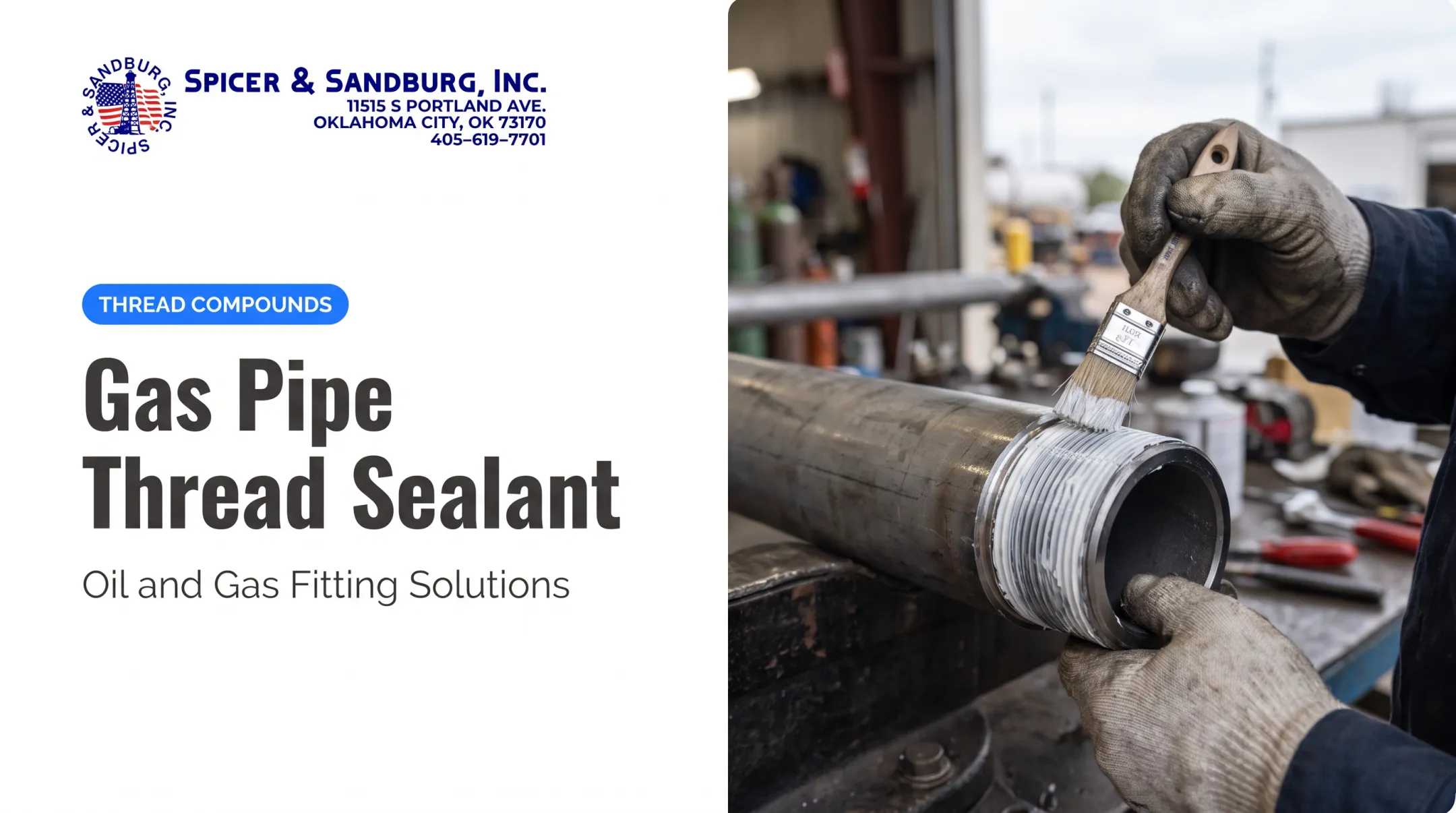
These are non-hardening, non-seizing compounds, typically gray, formulated to lubricate threads and fill microscopic surface gaps that cause seizing.
- Non-hardening formula stays workable for future disassembly without breaking the joint
- Lead-free, non-toxic grades stay safe for metal and select plastic fittings
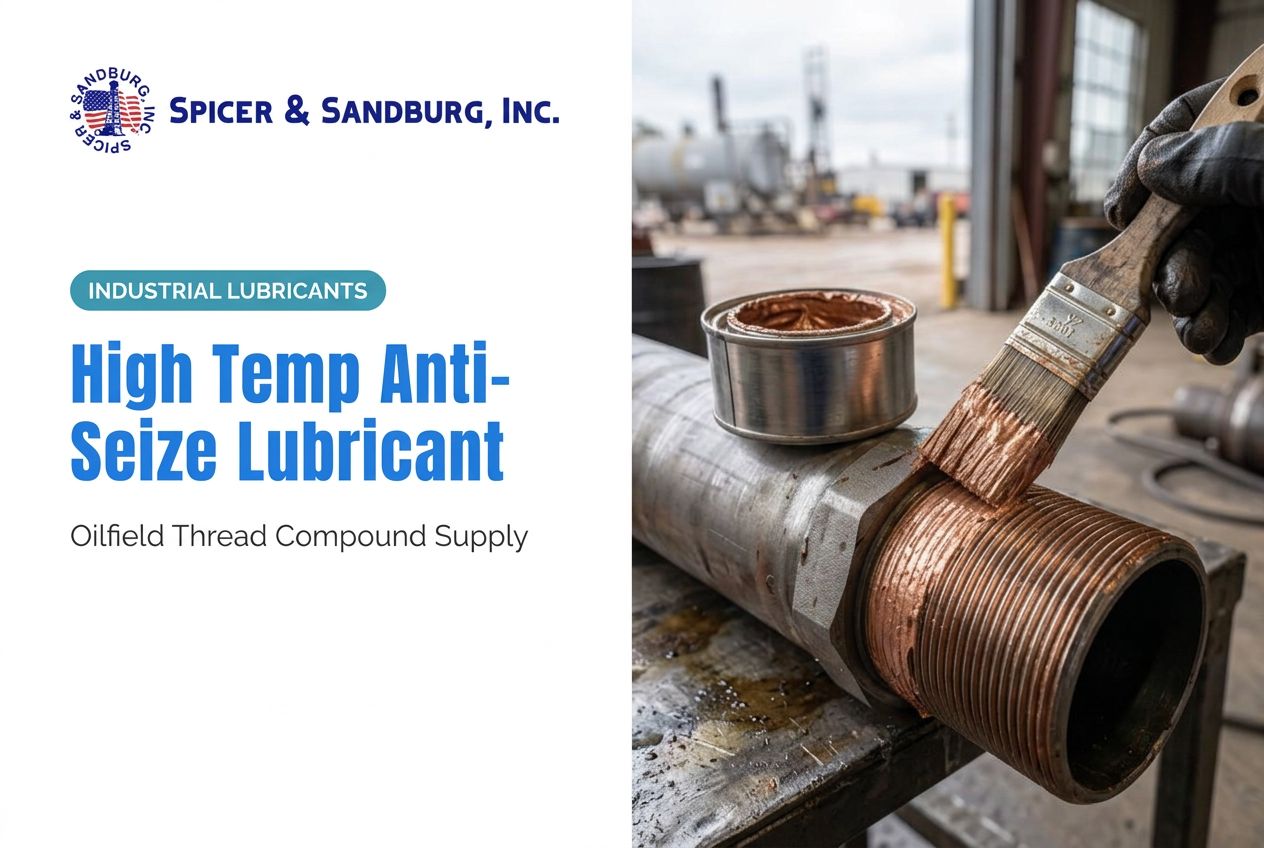
- Acts as a lubricant, cutting friction on assembly and later teardown

Using Tape and Compound Together
For critical or large-diameter connections, industry guidance recommends combining both products rather than choosing one.
The recommended method:
- Wrap threads with two or more layers of gray PTFE tape, seated into the thread roots
- Brush anti-galling compound liberally over the taped male threads
- Assemble hand-tight, then apply a controlled wrench turn
Boshart's installation guidance specifically calls this combination necessary for stainless pipe 4 inches and up, where the larger thread surface area increases galling risk and demands extra insurance.

Through partners such as BESTOLIFE and Merit Brass, Spicer & Sandburg supplies industrial thread compounds and stainless pipe, valve, and fitting products suited to these high-galling connections.
Step-by-Step: How to Apply Sealant to Stainless Steel Threads
Getting this right takes five minutes and saves you a seized fitting later.
- Clean the threads. Remove dirt, grease, oxidation, and old sealant residue with a clean rag.
- Wrap the tape correctly. Start one or two threads back from the pipe end, wrapping in the tightening direction (clockwise for right-hand threads). Apply 3–5 wraps, keeping tension so the tape seats into the thread roots.
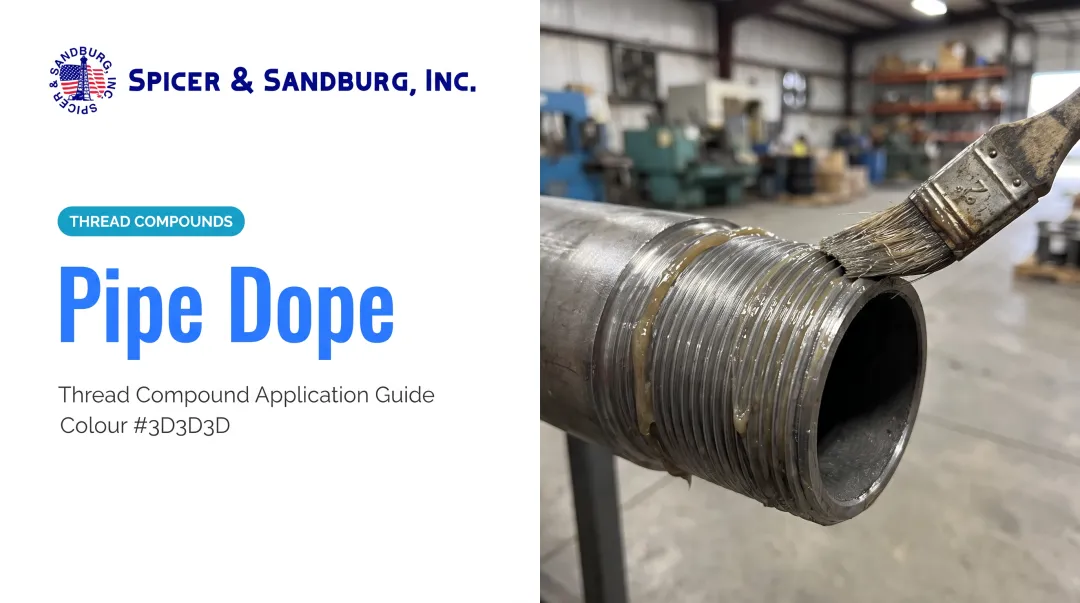
- Apply compound over the tape. Brush anti-galling compound liberally onto the male threads, covering the wrapped tape completely.
- Assemble the joint. Hand-tighten first, then finish with a controlled wrench turn, typically one to two full turns past hand-tight.
- Avoid overtightening. Stop when the joint is snug and leak-free—extra torque adds friction, not sealing power.
Common Mistakes That Cause Leaks or Galling
Most stainless thread failures trace back to one of these three errors:
- Using standard white PTFE tape or unrated compound. Generic sealants don't carry the density or anti-seize additives stainless connections need.
- Overtightening the fitting. Extra torque increases friction and surface stress, exactly what triggers galling on hard alloy threads. A wrench turn past hand-tight is usually enough.
- Skipping the cleaning step. Oil, debris, or leftover sealant residue from a previous assembly compromises the new seal before you even start wrapping tape.
Stainless Steel Sealant FAQs for Common Applications
Stainless fittings show up constantly in well supplies, production equipment, and industrial piping systems, but they demand different handling than plastic or brass connections.
Can you make stainless steel pipe threads waterproof?
Yes. A compatible thread sealant plus proper tape wrapping forms a reliable waterproof seal on stainless connections when the product is rated for the system pressure and fluid.
Can I use plumber’s putty instead of pipe thread sealant?
No. Plumber’s putty only seals mating surfaces on fixtures. It is not rated to hold pressure in a threaded pipe joint, and using it that way risks leak paths and joint failure.
Frequently Asked Questions
When should I use pipe thread compound?
Compound works best for larger fittings, high-pressure or gas-rated systems, and stainless or galvanized connections that need anti-galling protection. It fills gaps tape alone can't reach.
Where should I not use pipe dope?
Avoid it on undersized or delicate fittings, incompatible plastics, or applications needing a fast, clean seal where tape alone is preferable.
What is the best thread sealant for stainless steel?
Use a non-hardening, anti-galling, gray compound rated for stainless. Pair it with gray nickel-pigmented PTFE tape for extra protection.
Do stainless steel fittings need PTFE tape?
Yes. Gray nickel-pigmented PTFE tape is strongly recommended to prevent galling, and it's often combined with compound on larger or higher-pressure connections.
Can stainless steel pipes be threaded?
Yes, but it requires precision tooling and proper cutting lubricant. The metal's hardness and galling tendency make sloppy threading a fast route to a ruined fitting.
What is the best lubricant for stainless steel threads?
Anti-galling thread compounds double as lubricants. They reduce friction during assembly and disassembly so stainless connections don't seize.