
Here's why this matters: gasoline fuel lines carry real ignition hazards. A leak isn't a nuisance; it's a fire risk. This article walks through whether your connection even needs sealant, which products are actually documented for gasoline service, how to apply sealant correctly, and how to verify the finished joint without ever reaching for a lighter.
Key Takeaways
- Confirm gasoline compatibility on the label and TDS — never assume it from "PTFE," "pipe sealant," or "gas-rated" claims.
- Use sealant only on compatible tapered pipe threads — not flare, compression, or O-ring fittings.
- Isolate, depressurize, and clean first; apply only the manufacturer's specified amount.
- Never use a flame to check fuel connections for leaks — use an approved leak-detection method.
What Gasoline Thread Sealant Does and Which Fittings Need It
What thread sealant does in a fuel-line connection
A thread sealant fills the microscopic spiral clearance between mating tapered threads. On an NPT or NPTF connection, the seal comes from thread compression as the fitting tightens; the sealant fills any remaining voids and resists vibration loosening, according to CPC's technical guidance on pipe thread types.
Thread sealant is not:
- A threadlocker (locks fasteners; does not fill sealing gaps)
- An assembly lubricant
- A gasket maker (Permatex The Right Stuff is not recommended for gasoline contact)
- A repair compound (will not fix cracks, stripped threads, wrong sizes, or misalignment)
Identifying the connection before choosing a sealant
Not every threaded fuel connection is a sealing thread. Parker Hannifin notes that a fitting with an O-ring, gasket, or crush washer is likely a straight thread: the threads only clamp the parts together, and a separate component makes the seal.
A tapered thread, by contrast, shows a visibly decreasing or increasing diameter along its length (Parker Hannifin, 2021).

Before applying anything:
- Identify the fitting type — tapered pipe thread, straight thread with O-ring, flare, compression, or banjo fitting
- Check the manufacturer's instructions for that specific vehicle, engine, or piping system
- Never assume a threaded joint needs sealant just because it's threaded
Match the product to the thread form you confirmed—sealant belongs on sealing tapers, not on every threaded fuel joint.
How to Choose a Thread Sealant for Gasoline Fuel Lines
Confirm gasoline and fuel compatibility
The product's current label and technical data sheet must specifically name gasoline, petroleum fuels, or your exact fuel type. If you're running ethanol-blended gasoline (E10, E15, E85), confirm ethanol resistance separately — many sealants aren't tested against it.
A sealant rated for natural gas, water, or air is not automatically gasoline-resistant, even when marketed as "gas-line" or "PTFE." Those are different chemical exposures.
Match the sealant to system materials and conditions
Research compatibility with:
- Fitting and line metals (brass, steel, stainless), plating, or plastics
- Nearby gasket or O-ring elastomers
- Operating pressure and temperature range
- Vibration exposure, splash/immersion conditions
- Whether the joint will ever need disassembly
Check cure, assembly, and service requirements
Cure behavior varies widely by product. Loctite 567, for example, seals to moderate pressure as soon as the joint is tightened, but needs a full 24 hours for maximum pressure and solvent resistance per Henkel's technical data sheet. Other formulas follow different timelines, so check the current TDS for:
- Minimum application temperature
- Maximum service temperature
- Open/working time
- Time required before pressurizing the system
Pressurizing too early can blow out an uncured seal.
Verify approvals and technical documentation
After cure timing, confirm the paperwork matches the job. Look for OEM instructions for your equipment, applicable codes, and manufacturer-listed approvals. Do not assume one certification covers every product in a line.
Oil and gas, pipeline, and industrial maintenance teams sourcing industrial-grade thread compounds can work with Spicer & Sandburg to identify a fit through its manufacturer-partner network, including BESTOLIFE compounds used in petroleum applications. Have these details ready before you inquire:
- Fuel type
- Fitting material
- Operating pressure and temperature
- Application and service conditions
Manufacturers need that information to confirm gasoline suitability.

Gasoline-Compatible Sealant Options and Products to Avoid
Gasoline-rated liquid or paste thread sealants
Documented gasoline-compatible options include Loctite 567/577 and Permatex High Temperature Thread Sealant. Their data sheets show testing against unleaded gasoline and, in some cases, ethanol blends.
Compared with tape, rated pastes and liquids typically offer:
- Cleaner, more controlled application on tapered threads
- Better hold under vibration on engine-mounted lines
- Predictable cleanup and disassembly when service is due
Apply only where the fitting design calls for a sealing thread. Excess compound can migrate into the fuel passage and interfere with injectors, filters, or valves.
PTFE tape and PTFE-based products
PTFE is a material family, not proof of fuel compatibility. Fuel-rated tape, like Jet-Lube Petro-Tape, explicitly lists gasoline and solvent resistance on its data sheet. Tape marketed for water or natural gas service is not automatically safe here.
Swagelok's guidance is clear: PTFE tape belongs only on male tapered pipe threads, never on flared, coned, or tube-fitting ends (Swagelok, 2012). Loose tape fragments that break off during assembly can enter the fuel system and clog components downstream.
Products and applications to avoid
Don't assume these are gasoline-safe without documentation:
- Ordinary plumber's tape (water/air service only)
- General-purpose pipe dope not tested for gasoline
- Silicone or RTV sealants (swell, soften, or break down in fuel)
- Threadlocker (not a fuel-line sealant)
- Gasket maker (many formulas warn against gasoline contact)
- Natural-gas-only sealant
Never apply sealant to flare fittings, compression fittings, O-ring-sealed connections, or any joint where the manufacturer prohibits it.
Addressing the Permatex question
There's no blanket answer to "does Permatex work with gasoline." Permatex makes dozens of products. High Temperature Thread Sealant lists gasoline in its chemical-resistance data; The Right Stuff gasket maker specifically warns against gasoline contact. Always verify the exact SKU's current data sheet—never assume the whole product line is fuel-safe.

How to Apply Thread Sealant to a Gasoline Fuel-Line Connection
Prepare the fuel system and work area
Before touching a fitting:
- Shut down equipment and isolate the fuel supply
- Relieve pressure and let hot components cool
- Ventilate the work area and eliminate ignition sources — OSHA's flammable-liquid rules prohibit smoking or open flames near fuel-system servicing
- Wear fuel-resistant PPE appropriate for gasoline exposure
- Inspect for cracked fittings, damaged threads, corrosion, or wrong parts — replace, don't seal over, defective components
Once the system is safe and components check out, seal and assemble in this order:
- Clean the threads — Remove old sealant, dirt, and debris with a cleaner compatible with the fitting material, then let threads dry fully. Fibers, metal shavings, or solvent residue in the fuel passage can cause downstream contamination, and clean threads also give more accurate torque readings.
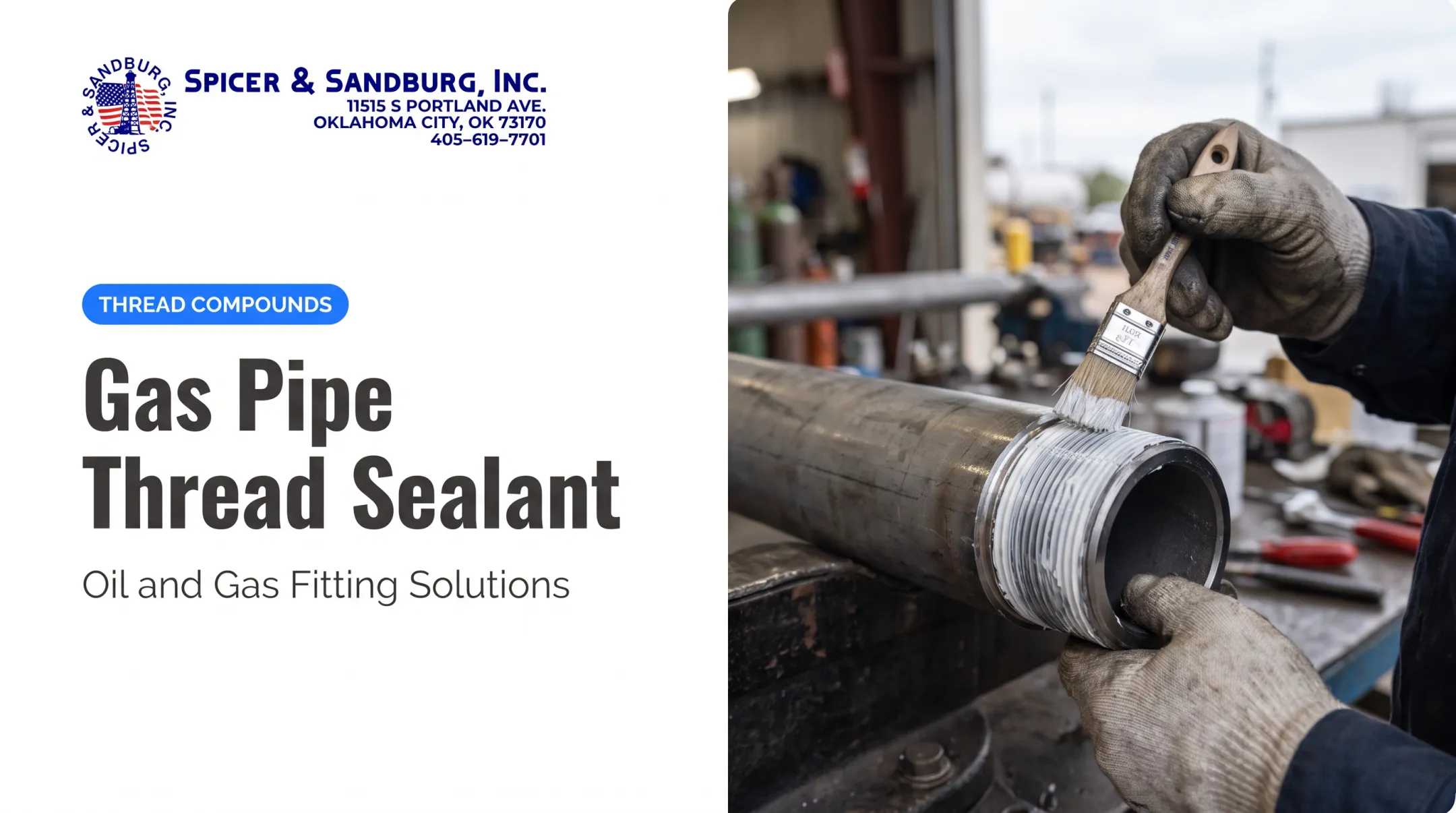
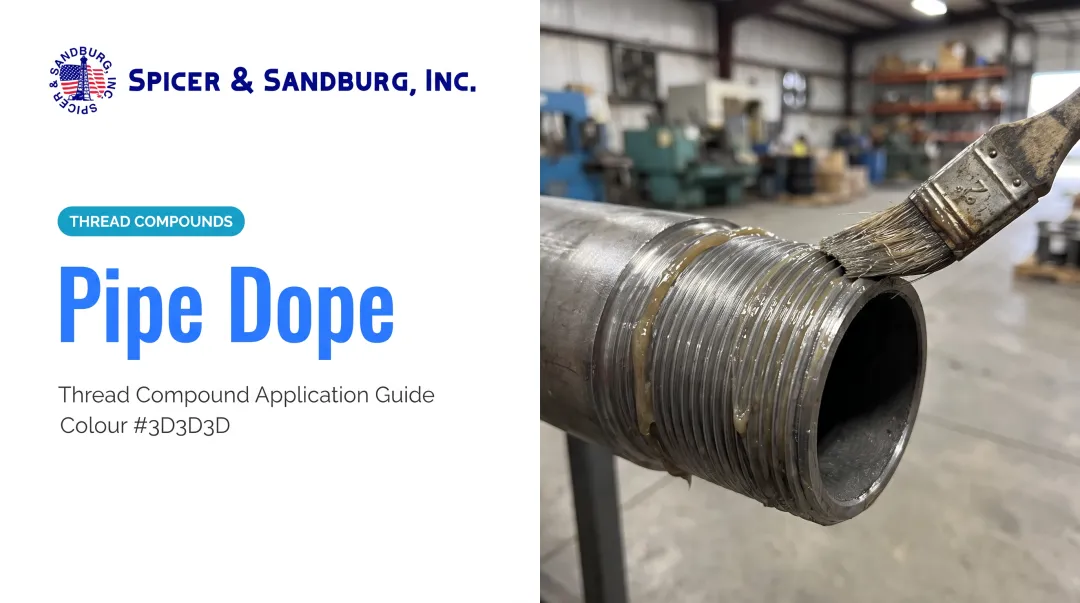
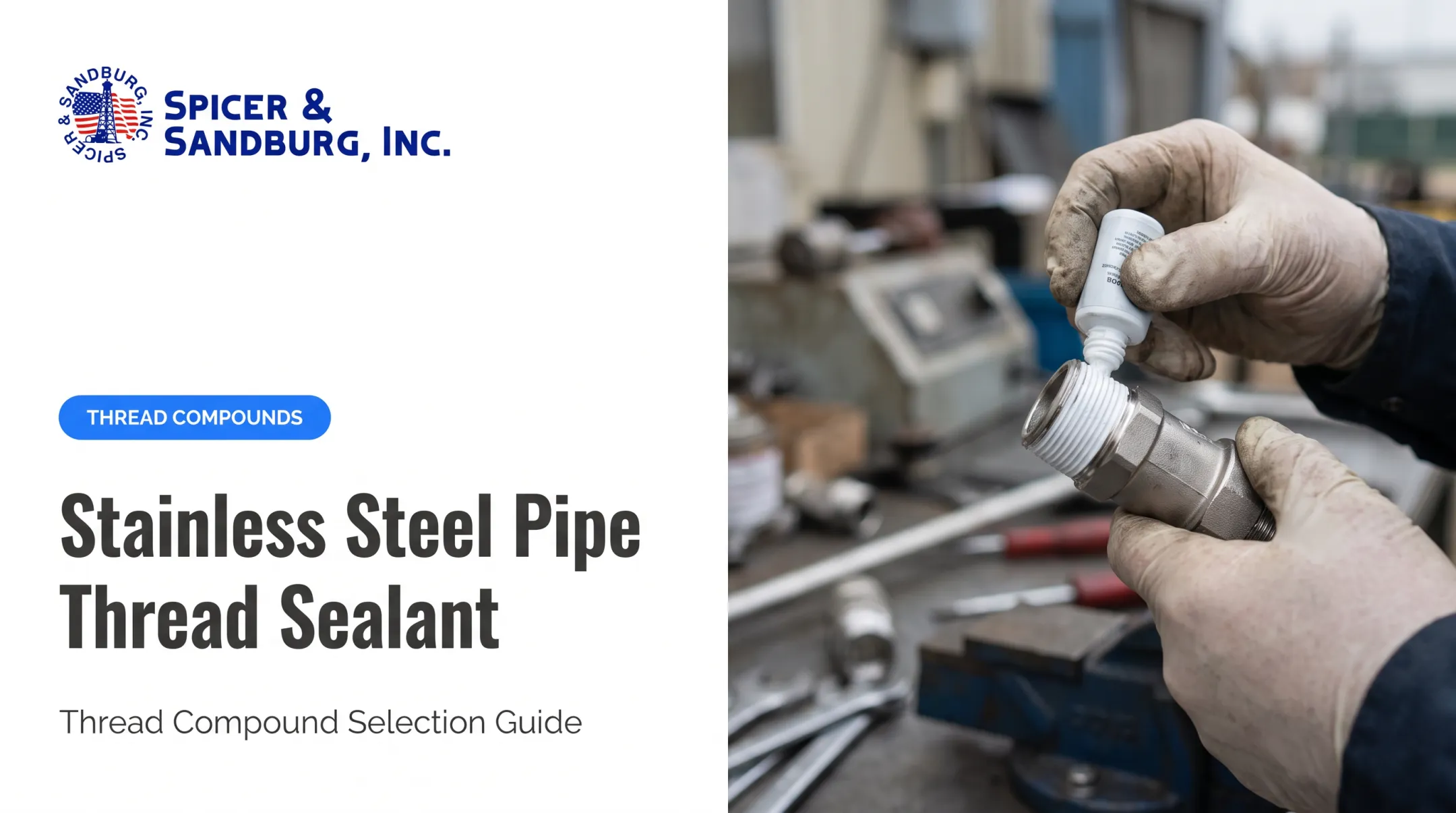
- Apply the correct amount — Coat the male sealing threads in a thin, even layer and keep product away from the fitting opening. Follow the manufacturer's quantity and coverage guidance; products and fitting designs differ, so there is no universal rule.
- Assemble without damage — Start the fitting by hand to avoid cross-threading, then tighten to the manufacturer's torque spec. Overtightening can crack a fitting; undertightening leaves a leak path. Sealant cannot fix a poorly matched connection.
- Cure and verify — Follow the TDS for cure time and temperature limits before pressurizing. Leak-check with an approved method such as non-corrosive leak-detection fluid on the connections, watching for persistent bubbles — a standard approach cited in Generac's fuel-system leak test procedure.

Never check a gasoline connection for leaks with a flame.
Common Mistakes, Safety Checks, and When to Call a Professional
Common selection and installation mistakes
- Confusing natural-gas approval with gasoline approval
- Assuming all PTFE products are fuel-safe
- Ignoring ethanol compatibility in modern fuels
- Applying sealant to a non-sealing thread type
- Overapplying sealant compound
- Skipping removal of old sealant residue
Any of these mistakes can cause leaks, blocked fuel passages, damaged fittings, contamination, or premature joint failure.
Final safety checks
Before returning equipment to service, confirm:
- Correct fitting type for sealant use
- Product compatibility documented on the current TDS
- Proper torque applied
- Cure/service time observed
- Leak test passed
Stop immediately if you notice a fuel smell, seepage, pressure loss, or any unexplained leak.
Know when professional help is required
Call a qualified technician when the job involves:
- Pressurized commercial fuel systems
- Pipeline or industrial installations
- Unfamiliar fitting configurations
- Damaged components or persistent leaks
- Work governed by OEM instructions, codes, or site safety procedures
Frequently Asked Questions
What is the best thread sealant for gasoline fuel lines?
The best choice is whichever product is explicitly rated for your fuel type, compatible with your fitting material, and approved for your system's pressure and temperature. There's no single universal brand or formula that fits every application.
What thread sealant is resistant to gasoline?
Check the current product label and technical data sheet for explicit gasoline or petroleum-fuel resistance. If you run ethanol-blended fuel, confirm that compatibility separately, since it's not always included.
Does Permatex thread sealant work with gasoline?
It depends entirely on the specific product and SKU. Some Permatex sealants list gasoline resistance; others explicitly warn against gasoline contact. Always check that exact product's technical documentation before applying it.