
Introduction
A crew tightens a tubing connection on a production string, pressure-tests it, and finds a slow weep at the collar. Now the whole operation stalls while someone breaks out the joint, cleans it, and redoes the seal. Multiply that across a wellsite or an industrial plant, and a few pinhole leaks turn into real downtime.
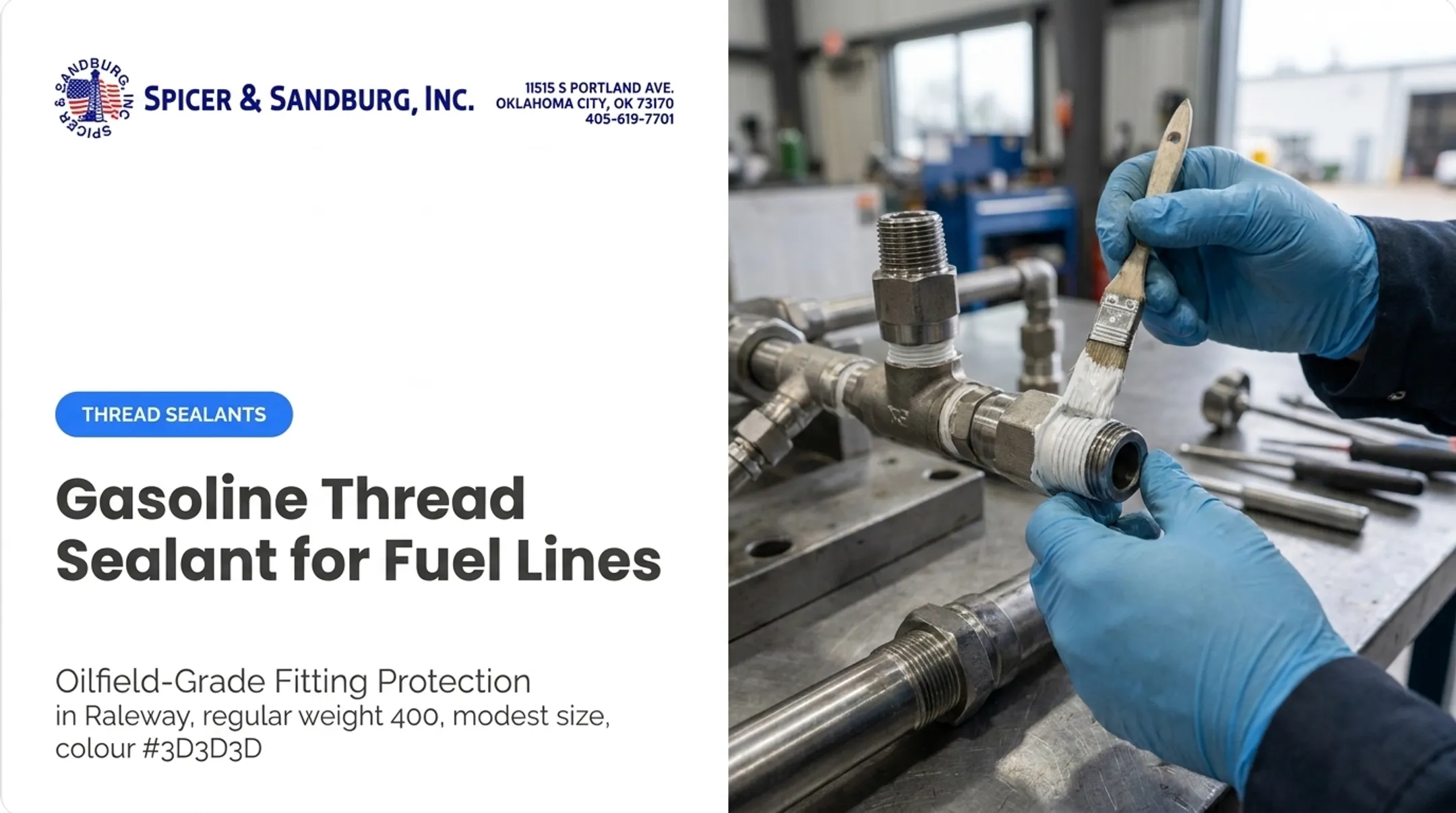
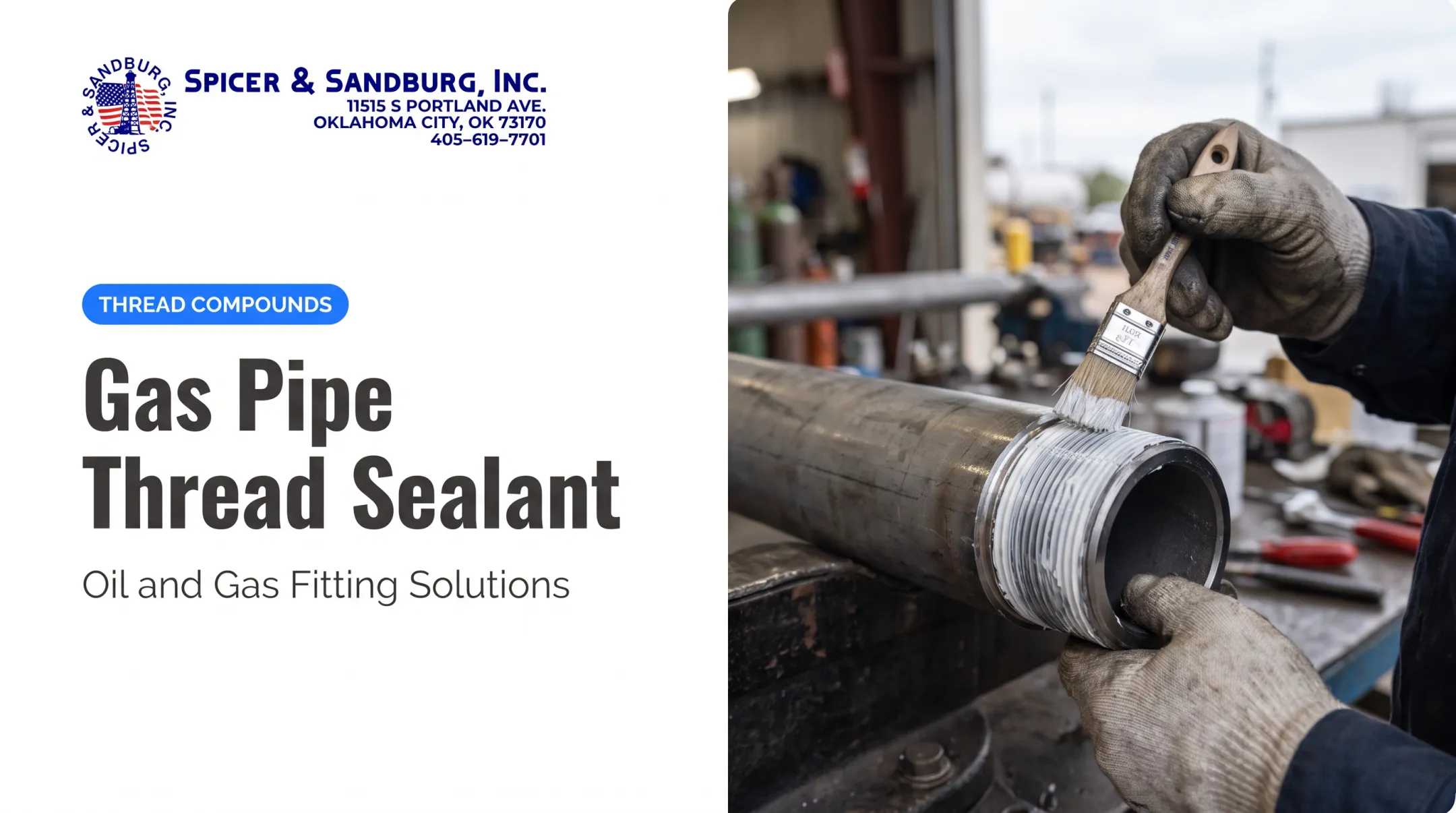
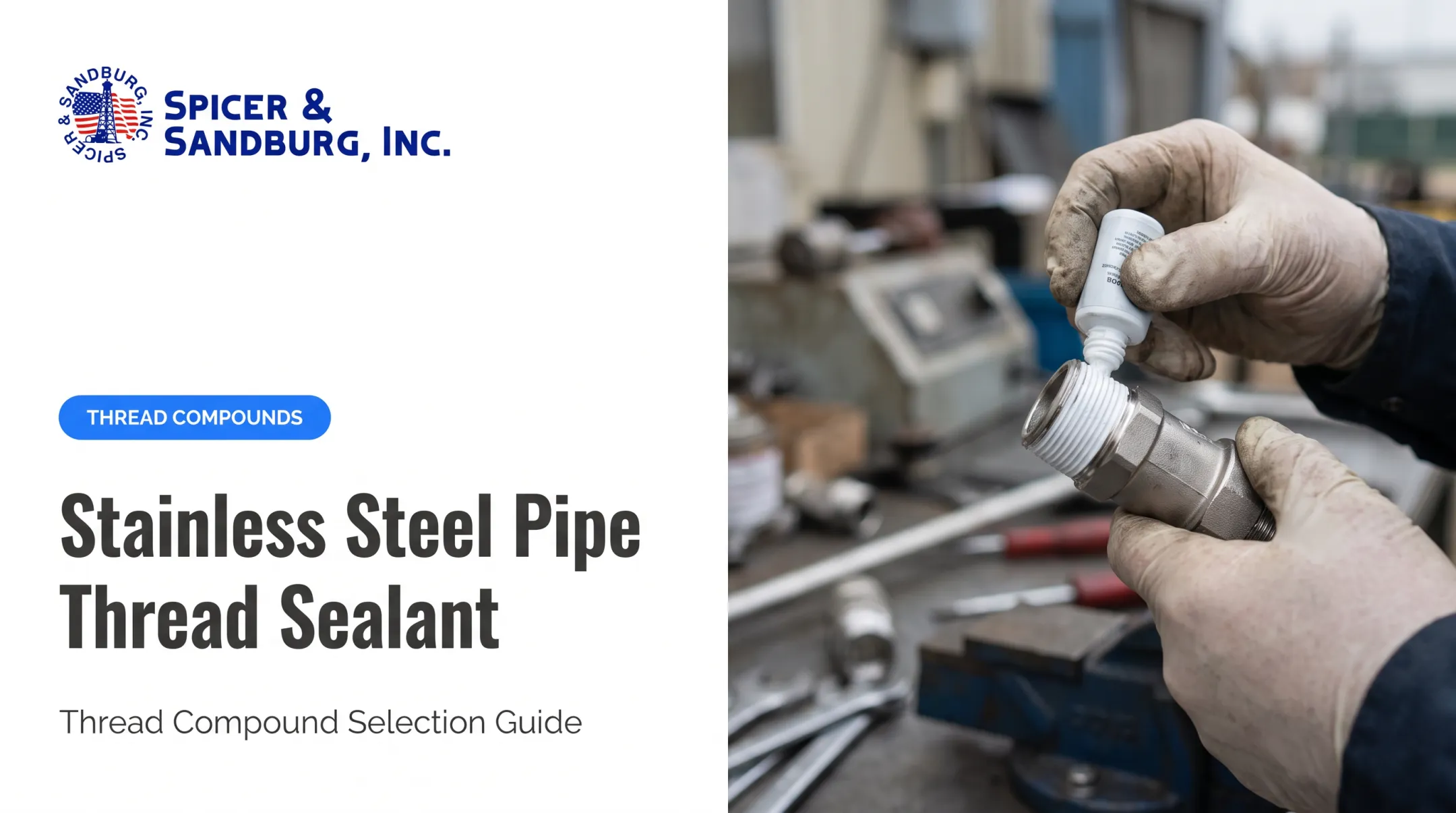
Pipe dope, also called pipe joint compound or thread sealant, is the paste professionals reach for to prevent exactly this. Unlike tape, it's brushed onto the threads and forms a gap-filling seal.
This guide covers what pipe dope actually is, where it belongs (from plant piping to oilfield tubulars), how to apply it correctly, and where it should never go near a connection.
Key Takeaways
- Pipe dope fills microscopic gaps in tapered threads, creating a pressure-tight seal while easing assembly and breakout
- Formulation matters — gas, potable water, high-temperature, and oilfield service each need a matched compound
- Never use pipe dope on gasket-sealed, flared, or unrated plastic connections
- Clean threads, thin coats, and correct cure time separate a lasting seal from a costly rework
What Is Pipe Dope (Pipe Joint Compound)?
Pipe dope is a paste-like thread sealant and lubricant brushed onto male threads before assembly. It goes by several names (pipe joint compound, thread compound, dope), but the job is the same across the industry.
Tapered pipe threads, whether NPT on a plumbing fitting or API threads on oilfield tubing, never achieve full metal-to-metal contact. Even a properly machined connection has microscopic gaps between the crest and root of the threads, and those gaps form a path for gas or liquid to escape. Pipe dope fills that space.
Why Composition and Application Vary by Connection Type
Composition varies by manufacturer, but most compounds combine fillers with a carrier oil or resin base:
- PTFE
- Graphite
- Aramid fiber
Some general-purpose white compounds, for example, list calcium carbonate among their ingredients per the manufacturer SDS. Ingredient lists differ enough between products that you shouldn't assume interchangeability.
Oilfield connections raise the stakes further. API 8 Round threads have high flank interference, which generates significant friction during makeup. Published makeup guidance for API 8 Round connections calls for a thin, complete compound coat on both the pin and box — full coverage, but with the thread form still visible — specifically to prevent galling during makeup.
Pipe dope is one branch of the broader thread-sealant family. PTFE tape is the other major branch, and it's fundamentally different: a dry, wrapped film rather than a wet paste. We'll compare the two directly further down.
Formulations are engineered for specific services. A compound built for potable water isn't automatically safe for natural gas, and a general-purpose plumbing dope isn't rated for high-pressure oilfield tubulars. Using the wrong type — even applied perfectly — can still fail.
What Is Pipe Dope Used For?
At the residential and commercial level, pipe dope seals threaded metal connections in:
- Water supply lines
- Natural gas and LP-gas piping
- Heating and HVAC systems
- General plumbing fittings where corrosion resistance matters
Move into industrial and oilfield territory, and the applications get higher-stakes fast. Threaded connections show up on tubing and casing collars, valve bodies, wellhead fittings, and pipeline components. There, a leak isn't just an inconvenience—it's a safety and production risk.
Where Threaded Connections Matter Most in Oilfield Work
In drilling, completion, and production operations, the threaded connections that most commonly need thread compound include:
- OCTG tubing couplings — EUE and other API thread forms, plus combination couplings and box-by-pin adapters for tubing strings
- Pup joints and adapter nipples — manufactured to API Spec 5CT and API Spec 7 standards
- Threaded valve connections — check valves and similar fittings that use threaded (rather than flanged or socket-weld) end connections
- Pipe nipples — brass, stainless, and chrome-plated nipples typically finished with NPT threads
If one of these threaded joints fails downhole or mid-string, the fix isn't quick. Leaking or failed tubular connections typically require a costly intervention and tubing replacement, not a five-minute wrench tightening.
Will Pipe Dope Actually Stop a Leak?
Yes, but only under the right conditions. Pipe dope stops leaks caused by thread gaps — the normal, expected microscopic voids in a tapered connection — when the compound is matched to the service and applied correctly. It cannot fix damaged threads, cross-threaded connections, or structural defects in the pipe itself. No paste compensates for a stripped or galled thread.
Matching the compound to the job is non-negotiable. A gas-rated sealant, an NSF/ANSI/CAN 61-certified potable water compound, and a high-pressure oilfield-grade dope are not interchangeable, even when they look similar in the tube.
Spicer & Sandburg works with drilling, completion, and production teams to match manufacturer partners to the application, including BESTOLIFE, a thread compound manufacturer with more than 80 years in petroleum-industry sealants. Get the match wrong, and the joint often comes back leaking.
How to Apply Pipe Dope the Right Way
Getting a joint to seal on the first try comes down to following the sequence, not skipping steps because the pressure's on to move fast.
- Clean and dry the male threads. Remove rust, scale, old compound, or leftover tape with a wire brush or rag. Compound adheres best to a clean surface. Contamination is one of the most common causes of a leaking joint.
- Stir the compound before use. Pipe dope can separate in the container. A quick stir restores even consistency for a smoother application.
- Brush a thin, even coat onto the male threads only. Work the compound across the grooves, but leave the first thread bare to avoid pushing paste into the pipe bore. Standard application guidance follows this same clean-thread, thin-coat approach for standard NPT joints.
- Assemble and tighten to spec. Hand-tighten, then use a wrench to the manufacturer's torque or turn count. Pipe dope lubricates as it seals, which makes over-torquing easy if you're not watching your reference point.
- Check the label for cure time. Some compounds are pressure-ready immediately; others need hours before you can safely pressurize the line. Always check the product data sheet for that compound's service rating.
- Wipe away excess compound. Clean paste off the exterior so it does not collect debris. If you break the joint later, remove all old dope before reapplying; layering fresh compound over old rarely holds a reliable seal.

Oilfield note: API connections like 8 Round threads follow connection-specific makeup procedures, often referencing API RP 5C1 torque values and box-face position checks at the pin vanish point. These aren't generic plumbing steps. Always follow the connection manufacturer's documented makeup procedure.
Pipe Dope vs. PTFE Tape: Which Should You Use?
Neither product wins across the board. The right choice depends on the connection.
| Factor | Pipe Dope | PTFE Tape |
|---|---|---|
| Best for | Large threads, high-pressure/high-temp systems, gas and oilfield connections | Small-diameter, low-pressure fittings |
| Application speed | Slower; brushed on by hand | Fast, wrap-and-go |
| Shelf life | Can dry out or expire over time | Doesn't degrade in storage |
| Mess factor | Wet paste, can migrate if overapplied | Clean, dry application |
Many professionals combine both on larger or more critical joints: tape wrapped first, then a thin dope layer on top for added sealing strength.
That approach isn't universal. Some manufacturers specify paste or tape, never both. Check the product label before combining them.
Because tape holds up in storage, keep it stocked alongside pipe dope. Each covers jobs the other handles less well.
Where You Shouldn't Use Pipe Dope (Common Mistakes)
Pipe dope is a threaded-joint product. That distinction rules out more connections than people expect.
Never use it on non-threaded, gasket-sealed connections: flexible supply lines, flared fittings, or compression fittings. These rely on a gasket or ferrule for the seal, not the threads, so pipe dope adds nothing and can even interfere with proper seating.
Be careful with plastic pipe. Some compounds can cause stress cracking in PVC, CPVC, or ABS threads through chemical incompatibility.
ASTM F2331 is a recognized chemical-compatibility test method for plastic-thread sealants, but it's not a blanket safety stamp. Verify the specific product is tested and rated for the plastic you're using. When in doubt, PTFE tape is often the safer default for plastic pipe.
Beyond material mismatches, a handful of application mistakes cause most callbacks:
- Skipping thread cleaning and applying compound over rust, scale, or old dope
- Overapplying so excess paste squeezes into the pipe bore, where it can contaminate the system
- Grabbing an off-label compound that isn't rated for the gas, water, or pressure service it's going into
Frequently Asked Questions
Will pipe dope stop leaks?
Yes, when it's matched to the application and applied correctly, pipe dope stops leaks caused by normal thread gaps. It can't compensate for damaged threads, cross-threading, or the wrong fitting.
Is pipe dope better than PTFE tape?
Neither is universally better. Pipe dope suits large, high-pressure, or oilfield connections, while tape is cleaner and faster for small-diameter or light-duty fittings.
What is pipe dope used for?
It seals and lubricates threaded metal pipe joints across plumbing, gas, HVAC, and industrial or oilfield tubular and valve connections.
Where should I not use pipe dope?
Avoid gasket-sealed or non-threaded fittings like compression and flared connections, and skip it on plastic pipe unless the product is specifically rated for that material.
How long does pipe dope take to dry or cure?
Cure time varies by formulation: some compounds are pressure-ready immediately, while others need several hours to fully set. Always check the product label.
Can pipe dope be used on gas lines?
Only if the product is specifically labeled and rated for gas service. Fuel-gas codes require compounds rated for the gas in service, so unrated general-purpose dope is not an acceptable substitute.